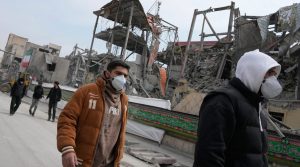
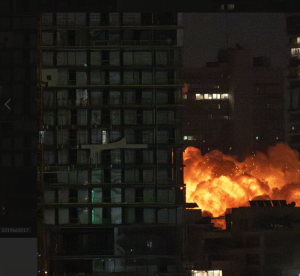
The conflict, which began on February 28, 2026, has seen a rapid escalation of strikes and high-profile assassinations.
- High-Level Assassinations: Israel confirmed the killing of Iran’s Intelligence Minister Esmail Khatib in an overnight strike in Tehran. This follows the recent deaths of security chief Ali Larijani and Basij commander Gholamreza Soleimani.
- Energy Infrastructure Attacks: A major missile attack on Qatar’s Ras Laffan industrial city caused “extensive damage” and fires. Qatar has since expelled Iranian diplomats in response.
- Strait of Hormuz & Oil: The strait remains virtually closed, severely impacting global oil transit. Iraq’s oil production has plummeted to 1.2 million barrels daily, down from 4.3 million.
- Military Actions:
- U.S. strikes: The U.S. launched 5,000-pound guided bombs on Iranian missile sites.
- Interceptions: Saudi Arabia intercepted four missiles targeting Riyadh and a drone near its gas facilities.
- Ground Operations: Israel is expanding its ground assault in southern Lebanon to counter Hezbollah.
- Casualties & Displacement: Over 1,450 people have been killed in Iran since the war began. In Lebanon, nearly 1,000 people died in just over two weeks. Approximately 120,000 Syrians have fled Lebanon back to Syria.
Economic & Global Impact
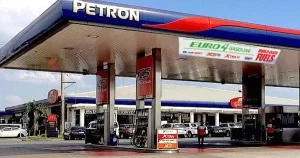
- Fuel Costs: U.S. President Trump temporarily waived a century-old shipping law to mitigate rising fuel costs.
- Interest Rates: The U.S. Federal Reserve has kept interest rates steady due to economic uncertainty caused by the war.
- Sports: FIFA rejected Iran’s request to move its 2026 World Cup matches from the U.S. to Mexico.