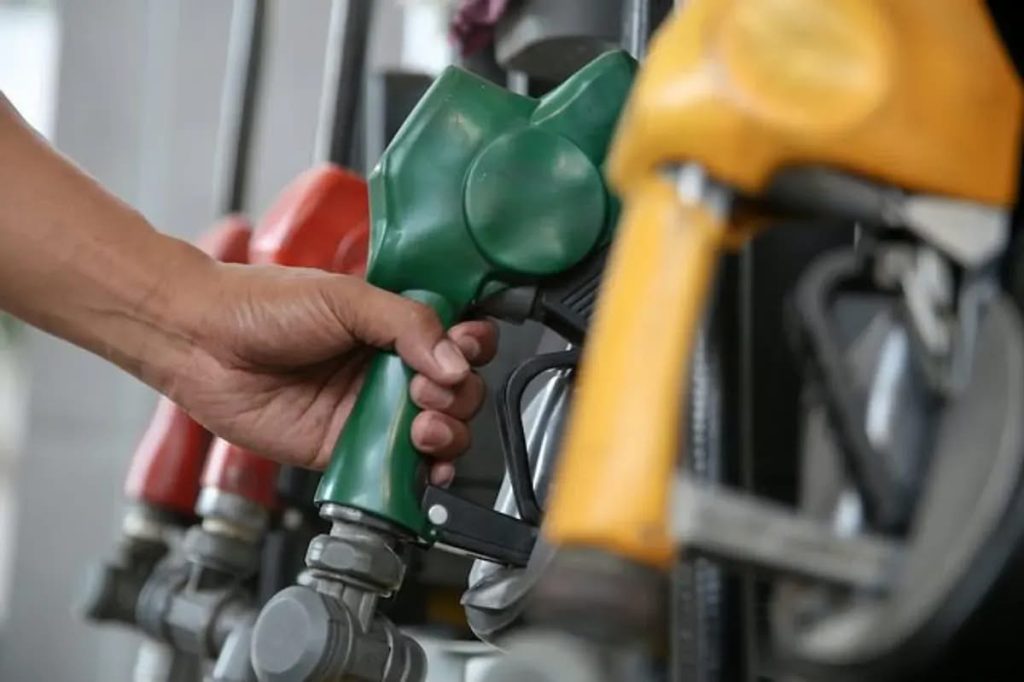
The country’s annual headline inflation rate decelerated to 6.4 percent in June, the Philippine Statistics Authority reported on Tuesday, reflecting a slower increase in transportation expenses linked to declining fuel prices.
The PSA noted that the transport index rose by 12.8 percent year-on-year in June, a significant easing from the 16.2 percent increase recorded in May. Food inflation also edged lower, settling at 5.4 percent compared with 5.8 percent in the previous month.
The June figure landed within or slightly below the Bangko Sentral ng Pilipinas’ forecast range of 6 to 7 percent for the month. It also brought the average inflation rate for the first six months of the year to 3.8 percent.
While overall price growth moderated, core inflation which strips out volatile food and energy items ticked up to 4.4 percent in June from 4.1 percent in May. A year earlier, in June 2025, core inflation stood at 2.2 percent.
The Bank of the Philippine Islands had earlier projected a mild easing in June inflation, pointing to lower Dubai crude oil prices and the onset of the local rice harvest season.
The June slowdown follows a print of 6.8 percent in May, which itself was down from 7.2 percent in April. Those levels remained among the highest in recent periods and substantially exceeded the government’s 2 to 4 percent target band.
Sharp increases in global oil prices following US-Israeli military strikes on Iran have been identified as a major factor behind the elevated inflation since March. Even as shipping through the Strait of Hormuz shows signs of normalization, analysts caution that fuel prices may take months to return to levels seen before the Middle East conflict.
The Development Budget Coordination Committee recently updated its average inflation forecast for the year to a range of 6 to 7 percent /Clarence Pacaña